Diagnosing Dementia
Dementia is a decline in memory, thinking and/or language abilities severe enough to interfere with daily routines, job performance or social functions. Dementia associated with Parkinson’s disease (PDD) tends to impact executive skills; visuospatial function (interpreting where objects are in space); and, to a lesser extent, short-term memory. It may also affect motivation, mood and behaviour, and can be associated with visual hallucinations (seeing things that aren’t there) or delusions (firm, false, often paranoid, beliefs). If dementia does develop, it is often in the later stages of Parkinson’s disease.
It can be difficult to differentiate PDD from Alzheimer’s dementia (since there is no specific test to diagnose either), although Alzheimer’s typically causes more pronounced memory loss and confusion, and also lacks the motor symptoms of Parkinson’s (although stiffness and slowness may develop in very late stages).
The Michael J. Fox Foundation highlights that Parkinson’s dementia shares symptoms and brain changes (alpha-synuclein protein clumps called Lewy bodies) with a related disease called dementia with Lewy bodies (DLB). These two diseases — PDD and DLB — are grouped under the umbrella term Lewy body dementia.
Because of their similarities, doctors and researchers distinguish PDD and DLB primarily based on when movement symptoms and dementia arise.
Why Cognitive Changes Occur
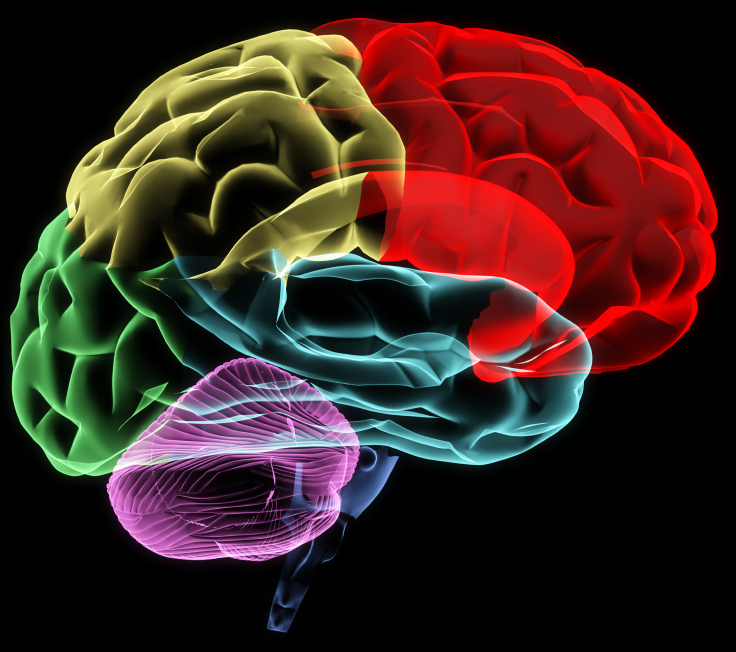
The exact causes of cognitive impairment and dementia in PD are not fully known but are likely due to a combination of chemical and structural changes. In addition to dopamine, Parkinson’s affects a number of brain chemicals — acetylcholine, norepinephrine and serotonin — that support cognition, attention and mood. Parkinson’s also causes loss of and/or changes in cells in areas of the brain that are responsible for these functions.
Not everyone with Parkinson’s experiences dementia. Estimates vary, but about 40 percent of people with Parkinson’s have PDD, and small studies suggest this number may be higher in people who have had Parkinson’s for 20 years or more.
Evaluating Cognitive Problems
The first step to evaluating cognitive impairment is letting your doctor know that you’re concerned. It may be normal aging, Parkinson’s or a separate medical condition, but you can’t figure it out unless you bring it up. Doctors will ask about mood disturbances, such as depression or anxiety, and sleep problems, as these can impact memory and require different evaluation and management strategies. They’ll review your prescription and over-the-counter medications to ensure that these aren’t contributing to cognitive problems. (Anticholinergic and pain medications commonly contribute to memory and thinking issues.)
No brain imaging or blood tests can specifically diagnose MCI or PDD, but tests may exclude other conditions, such as thyroid problems or vitamin B12 deficiency, which also can affect cognition. Your doctor may recommend formal detailed memory testing — neuropsychological testing — to determine exactly what problems might be present and establish a baseline for future comparison.
Maintaining Brain Health
While there is no definitive practise or therapy to prevent cognitive impairment, there are actions you can take to promote a healthy brain, including regular exercise and a healthy diet. Some studies suggest that by adopting an “active cognitive lifestyle,” individuals may be able to slow cognitive decline. Practice mentally challenging tasks such as completing crosswords or puzzles, learning to speak a foreign language or playing a new instrument to “work out” your brain. Attend a get-together where you’ll have to remember the names of new acquaintances and make conversation about current events. This has the added benefit of keeping you social.
Ongoing Research in Cognition and Parkinson’s
Researchers are working to understand how and why cognitive changes happen in Parkinson’s, and to develop treatments for both mild cognitive impairment and dementia. Investigators are testing a variety of therapies for potential benefit: novel medications, brain and body exercises, and non-invasive brain stimulation. They also are looking for tools, such as rating scales, and measurements, such as brain scans, to better diagnose these conditions and distinguish different types of dementia (Alzheimer’s, Lewy body dementia, etc.).
 Search
 Contact