Healthy Eating
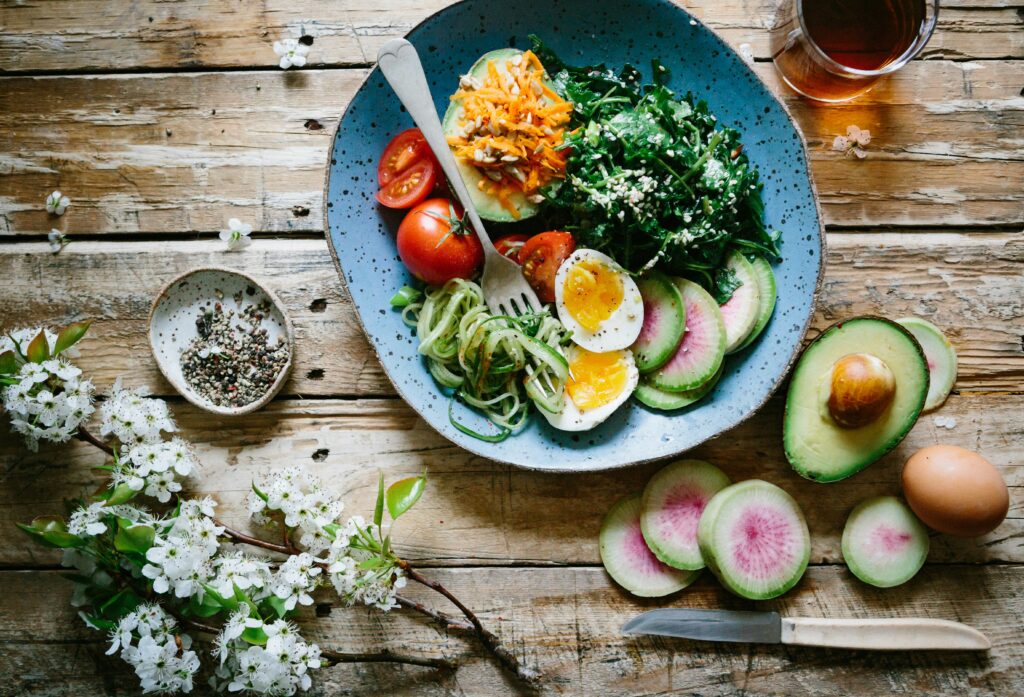
There is no one recommended way to eat with Parkinson’s disease, but a balanced diet full of fruits and vegetables promotes health and well-being for everyone. There is no current research that supports particulary dietary restrictions.
One part of a healthy diet is eating foods with antioxidants. These “good for you” molecules help protect cells from stresses such as air pollution, cigarette smoke and even the process of converting food to energy. Antioxidants are found in fruits, vegetables, grains, nuts, dark chocolate and some beverages, such as red wine, coffee and tea.
Nutrition is particularly important in Parkinson’s for many reasons; the disorder itself often slows transition through the gut and affecting the absorption of medications and nutrients. Patients with PD may have other medical conditions that further put them at risk of malnutrition. Poor nutrition can worsen other conditions such as diabetes and hypertension, which in turn can worsen function in PD. In addition, good nutrition promotes overall brain health and may have some protective benefit with regard to conditions such as strokes and Alzheimer’s disease.
As is true for many aspects of Parkinson’s disease, each person is a little different. You may need to experiment to see what is most effective for you.
Fight Parkinson’s notes that “the nutritional issues faced by people with Parkinson’s are complex and diverse and therefore need to be reviewed by an accredited practising dietician on a case-by-case basis. Given that Parkinson’s is a progressive neurological condition, nutrient requirements may change through the journey with the condition.”
 Search
 Contact